


Increase Max Connections in Windows 7


Did you know that Windows 7 limits the maximum connections of HTTP file transfers? Only two simultaneous file downloads are allowed. When you visit our homepage you make at least 30 requests alone (30+ pictures), which would be faster if you would allow more than 2 simultaneous connections (most browser already do that, more inside).

How to increase max connections in Windows 7

The MaxConnectionsPerServer Value

The maximum number of connections per server returned by the maxConnectionsPerServer property is determined by the HTTP version (1.0 or 1.1) used by the server. This number applies to any Web server connection, not just to downloads. Source: www.msdn.microsoft.com

Important:

Browsers can set MaxConnectionsPerServer

Users can set MaxPerServer via registry (browser value will be ignored)


All browsers can set their own value for the MaxConnectionsPerServer value. According to http://kb.mozillazine.org/ Firefox 3 uses a value of 15. Keep in mind there are normal connections and persistent connections. As a server admin you will need to take a closer look at persistent connections.

Increase MaxConnectionsPerServer Value

You can set a value for MaxConnectionsPerServer yourself and the browser will then use that value instead of its own settings.

Pro Tip: If you set the value too high you will quickly notice that websites (servers) will ban you. We do that too, so be careful. My recommendation is to set it to 12, which is not too high and not too low, but you can only try that yourself.

Download MaxConnectionsPerValue Registry Tweak

You can download the registry key to modify the MaxConnectionsPerServer here:
Download MaxConnectionsPerServer Registry Tweak

Create Registry File: MaxConnectionsPerValue

Insert the following text into a notepad, save it as a .reg file (replace .txt extension with .reg) and select All files from the dropdown when you save it, then double-click on it:

Windows Registry Editor Version 5.00
[HKEY_CURRENT_USER\Software\Microsoft\Windows\CurrentVersion\Internet Settings]
“MaxConnectionsPer1_0Server”=dword:00000012
“MaxConnectionsPerServer”=dword:00000012

Alternative: Manually Editing Registry

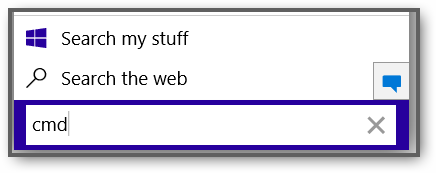
1. Open the registry editor. Enter regedit.exe into the search field on your Start menu

2. Uncollapse HKEY_CURRENT_USER\Software\Microsoft\Windows\CurrentVersion\Internet Settings

3. Right-click in the right pane (last entry at the bottom should be ZonesSecurityUpgrade) and create a new DWORD registry key:

New DWORD Value: Max Connections

4. Enter MaxConnectionsPer1_0Server as the name.

5. Create another DWORD key (same as above) and give it the value MaxConnectionsPerServer

6. Double-click on the key MaxConnectionsPer1_0Server and enter the value 12

7. Repeat the last step for MaxConnectionsPerServer

8. Reboot


Or you might like these sexy wallpaper, tweaks and themes:

Written by oliversk Tuesday, November 23rd, 2010

Was it helpful? Please bookmark it and spread the word

delicious   facebook   google   twitter  

You love Windows, Gaming and everything digital? Great, we too! We have thousands of great Windows 7 themes, registry tweaks, tutorials, so please use our search box if you look for anything specific. If you have some awesome desktop themes, tips or want to write for us, then drop us a mail: win7themes at googlemail.com

3 Responses to Increase Max Connections in Windows 7

  1. BigSho said:

    Half-Open Outbound TCP Connections Limit Removed in Windows 7!

    # Locate and then double-click the following registry key:
    HKEY_LOCAL_MACHINE\SYSTEM\CurrentControlSet\Services\Tcpip\Parameters\EnableConnectionRateLimiting
    # In the Value data box, type 1, and then click OK.

    Or you’re talking about something else?

    p.s

    check out TCP-Z

  2. Someone said:

    Is it possible to edit the max connections for ONLY IE? Please reply fast!

  3. sOliver said:

    The registry tweak above edits the max connections for all browsers. What is your intention, maybe I can help you with another solution.

Leave a Reply

Your email address will not be published. Required fields are marked *

*

You may use these HTML tags and attributes: <a href="" title=""> <abbr title=""> <acronym title=""> <b> <blockquote cite=""> <cite> <code> <del datetime=""> <em> <i> <q cite=""> <strike> <strong>