


How to delete temporary internet files in Windows 7?


We have previously told you how to delete the browsing history on Windows 7 or how to delete cookies on Windows 7, but you should also know how to delete temporary internet files in Windows 7, because they are no longer that “temporary”.

How to delete temporary internet files in Windows 7

Often, temporary internet files can slow down things. If your cache is full, Windows 7 might even slow down Youtube buffering. Aside from that there are many privacy issues. There are plenty of good reasons why you regularly remove your temporary internet files!
But there are more files that you should delete aside from that, some that experts consider a serious privacy issue.

Delete Temporary Internet Files via Internet Explorer

You can delete your temporary internet files via the internet explorer.

1. Open the Tools and select the Internet Options at the bottom:
Internet Explorer: Tools - Internet Options

2. Next, click on Delete:

Internet Explorer: Delete Browsing History

3. Check the option “Temporary Internet Files” and click on “Delete”:

Delete Temporary Internet Files via Internet Explorer

Delete Temporary Internet Files Manually via Explorer

You can also delete your temporary internet files manually. To do that, you will first have to know the location of the temporary internet files in Windows 7.

The location is C:\Users\[yourusername]\AppData\Local\Microsoft\Windows\Temporary Internet Files

Before you can view the temporary internet files, make sure that you can actually see hidden files and folders.

Delete Index.Dat Files

There is another file that you might want to consider deleting. It’s the index.dat file(s) that store ALL websites that you have EVER visited. Concerned? You should be.

Clear Index.dat Windows 7


Or you might like these sexy wallpaper, tweaks and themes:

Tags: Written by oliversk Sunday, March 21st, 2010

Was it helpful? Please bookmark it and spread the word

delicious   facebook   google   twitter  

You love Windows, Gaming and everything digital? Great, we too! We have thousands of great Windows 7 themes, registry tweaks, tutorials, so please use our search box if you look for anything specific. If you have some awesome desktop themes, tips or want to write for us, then drop us a mail: win7themes at googlemail.com

6 Responses to How to delete temporary internet files in Windows 7?

  1. rahul said:

    the best way to delete every thing is use ccleaner and every thing is done

  2. sOliver said:

    ccleaner is a great tool to get rid of temporary internet files,that’s true. Can it also remove index.dat files by now?

  3. AizazAhmadKhanDurrani said:

    go to tools and check the internet option and then click on this and then go to delete button and delete all the files

    if ur not staisfied then u may also check this by view files option.
    thanks

  4. Carola C said:

    Actually, Windows 7 has their own disk cleanup and it’s easy to access. Click on the start icon and type ‘disk cleanup’ in the search area. Disk cleanup can then be selected and you can click on “free up disk space by deleting unnecessary files”. You then select the drive you want to cleanup, and after it does a quick scan of possible space it can delete, you can select which type of files you want to cleanup (Temp internet files, temp computer files, empty recycle bin, etc.) This does the same thing that programs like “ccleaner” and “windows cleanup” used to perform on the previous windows versions. You can also send the “disk cleanup” option to your desktop after you typed “disk cleanup” into the search, so you have convenient access to the program in future.

    On a side note: on windows explorer (under tools-internet options) you have the option to have your temp internet files deleted when you shut the browser, which then avoids unnecessary buildup of temp files.

  5. Dave O said:

    Good info on the index.dat files Oliver, Thanks

    I’m running windows 7 and I’m still a little new to it, coming from windows xp. In XP the temp files where so much easier to locate than on this WIN 7. (I love how tricky Microsoft tries to be). I too am an Internet Security “Fan”atic.. lol. Your information has helped me find my Temp files faster and I’m trying your recommendations on removal. I don’t usually post replies on sites, so take this as a compliment.

    The Privacy Mantra seems to work well, but it does leave a few files on the screen after deleting all.. I don’t understand why.

    The Index Dat Spy works and I’m getting used to the controls, but if you could help me out with deleting the files I’d appreciate it. I can search and find the index.dat files, but I can’t seem to get the program to delete them (or open them). The program needs a little refining I think. Can you help?

    I believe that some of your readers are missing the point about the index.dat files (what they are and how to delete them) according to the posts I’ve read. I have been on a search to end this mystery of the index.dat files for some time with the realization that regular disk cleaners just doesn’t do the trick. You can’t get rid of index.dat files in any conventional way that I’ve found. They were put there to store your history and they stay on your computer even after you use the disk cleanup or temp cleaners. These cleaners only get rid of Temp files not permanent files. (ie.. Index.dat files). You will need something made for the job.

    Been there tried that.

  6. sOliver said:

    Dave, Index Dat Spy usually shows you the file path of the index.dat files. Have you tried to delete the files via command prompt?

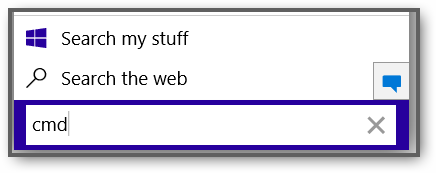
    Enter cmd.exe into search field, right-click on it and click on “run as admin” .. then cd to the folder and use the command DEL to delete files. You will have to do some research on the syntax or simply open the Windows Powershell instead of cmd.exe and enter “man DEL”.

    Then run the command to delete all index.dat files that you found via Index Dat Spy.

    Let me know if you run into problems.

Leave a Reply

Your email address will not be published. Required fields are marked *

*

You may use these HTML tags and attributes: <a href="" title=""> <abbr title=""> <acronym title=""> <b> <blockquote cite=""> <cite> <code> <del datetime=""> <em> <i> <q cite=""> <strike> <strong>